Three Minutes of Quiet: A Simple Daily Practice That Changed My Mornings
Recent Trends in Morning Routines
Over the past few years, wellness literature and popular media have increasingly promoted "micro-practices" — short, repeatable habits that fit into the smallest windows of a busy morning. The idea of dedicating three minutes to silence, without phone, music, or conversation, has emerged as a common recommendation among productivity coaches and mindfulness advocates. Observers note that the trend aligns with a broader cultural shift away from longer, more demanding meditation sessions toward sustainable, low-barrier entry points.

Key indicators include:
- Growth in app features that offer three-minute quiet timers or ambient soundscapes.
- Increased media coverage of "pause practices" in workplace wellness programs.
- Social media discussions using phrases like "three-minute reset" or "quiet start."
Background of the Practice
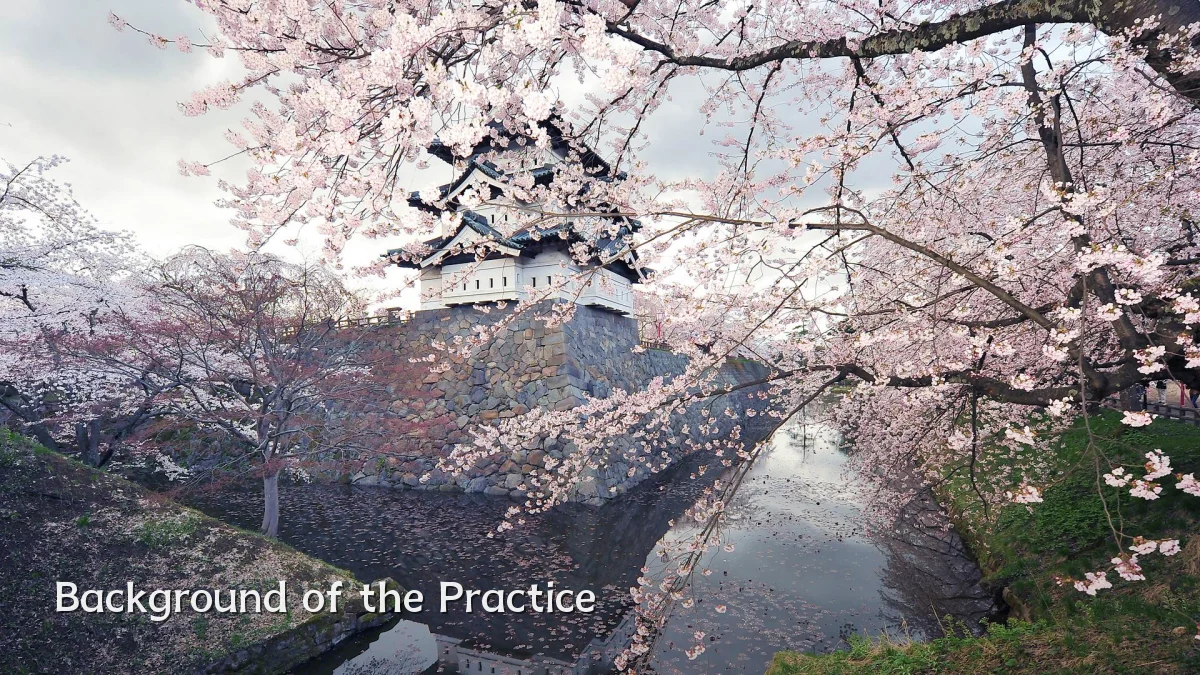
The concept of a brief, intentional period of silence each morning is not new. It draws on traditions of contemplative prayer, mindfulness meditation, and the Japanese practice of *seiza* or quiet sitting. However, the modern adaptation of exactly three minutes appears to have been popularized by anecdotal accounts in self-help books and personal blogs. The fixed duration is often cited as long enough to lower cortisol and slow respiration, yet short enough to be compatible with most schedules. No single organization or authority claims ownership of this specific duration.
User Concerns and Criticisms
Individuals considering such a practice frequently raise several practical and psychological questions. Common concerns include:
- Time pressure: Many doubt that three minutes yield noticeable benefits, or feel they cannot spare even that amount in a rushed morning.
- Skepticism about effectiveness: Some question whether three minutes of quiet can compete with longer meditation or exercise routines for mental clarity.
- Difficulty calming the mind: First-time practitioners often report restlessness, intrusive thoughts, or discomfort with inactivity.
- Expectation of immediate transformation: Unrealistic hopes can lead to disappointment when a single session does not produce lasting calm.
These concerns highlight the gap between the simplicity of the practice and the complexity of habit formation and personal expectation.
Likely Impact on Everyday Well-Being
When sustained over weeks, a three‑minute quiet practice may offer several modest but measurable effects, particularly when integrated into a consistent morning routine. Evidence from behavioral studies on short mindfulness interventions suggests:
- Reduction in self-reported morning anxiety and irritability within the first week.
- Improved ability to refocus after interruptions, due to repeated practice of attention reset.
- Gradual decrease in the perceived need for constant auditory or visual stimulus.
- Potential for better sleep quality if the practice replaces late-night screen scrolling with morning calm.
However, impact varies widely based on individual temperament, environment, and adherence. The practice is unlikely to substitute for clinical treatment of anxiety or depression, but may serve as a low-risk complementary habit.
What to Watch Next
As the simple daily inspiration movement matures, several developments merit attention:
- Workplace adoption: Whether companies begin to schedule brief "quiet blocks" in meeting lag times or start-of-day protocols.
- Technology integration: How apps and smart devices evolve to offer frictionless three-minute quiet modes without requiring users to set timers manually.
- Scientific replication: Whether controlled trials confirm the generalized anecdotal benefits, especially for populations with high stress or attention deficits.
- Cultural acceptance: If the practice becomes normalized in public spaces (e.g., airport lounges, libraries) as a shared short-form ritual.
Beyond these trends, the long-term staying power of any three-minute practice depends on its ability to remain simple, accessible, and unattached to commercial hype — a challenge in a market that often monetizes stillness.